
Focusing-Oriented Therapy
When understanding yourself hasn’t been enough
Why this is how I work
You might think the later therapies are an improvement. I’ve been a certified FOT therapist for about twenty years, and I’ve also trained in IFS and EMDR. I believe Focusing-oriented therapy offers a better, more expansive way of reaching your innermost thoughts and feelings — one that changes how you are inside more deeply.
Good psychotherapy is much more than one theory or technique. It looks at every part of your life, not just your inner feelings. Changing longstanding patterns takes effort on many levels. No single form of therapy is right for everyone, and there are no miracle cures.
You’ve done the thinking. You can explain your patterns, trace them back, name what happened. And the thing you came in for is still there.
Focusing-oriented therapy works underneath that — with what’s actually moving in you, below the words you’ve already found for it.
Where it comes from
If you’ve ever heard the term “felt sense,” it was Eugene Gendlin who coined it. FOT grew out of his research at the University of Chicago into what actually produces change in therapy, and out of Ann Weiser Cornell’s refinement of it, Inner Relationship Focusing.
It came before most of today’s somatic and embodied approaches. Somatic Experiencing and Internal Family Systems both developed in its wake. It’s more directed than mindfulness meditation, which has its own uses.

The Shift
But over time, the changes are remarkable. You feel different inside.
- Your heart, mind and body work together more seamlessly.
- You’re no longer driven by feelings and urges you don’t understand.
- You have access to an internal compass you can actually trust.
- You stop being a stranger and enemy to your innermost self.
Is Focusing-oriented Therapy For You?
But not everybody wants or, frankly, needs to work that deeply. Also, people naturally differ in how much they can access this inner process.
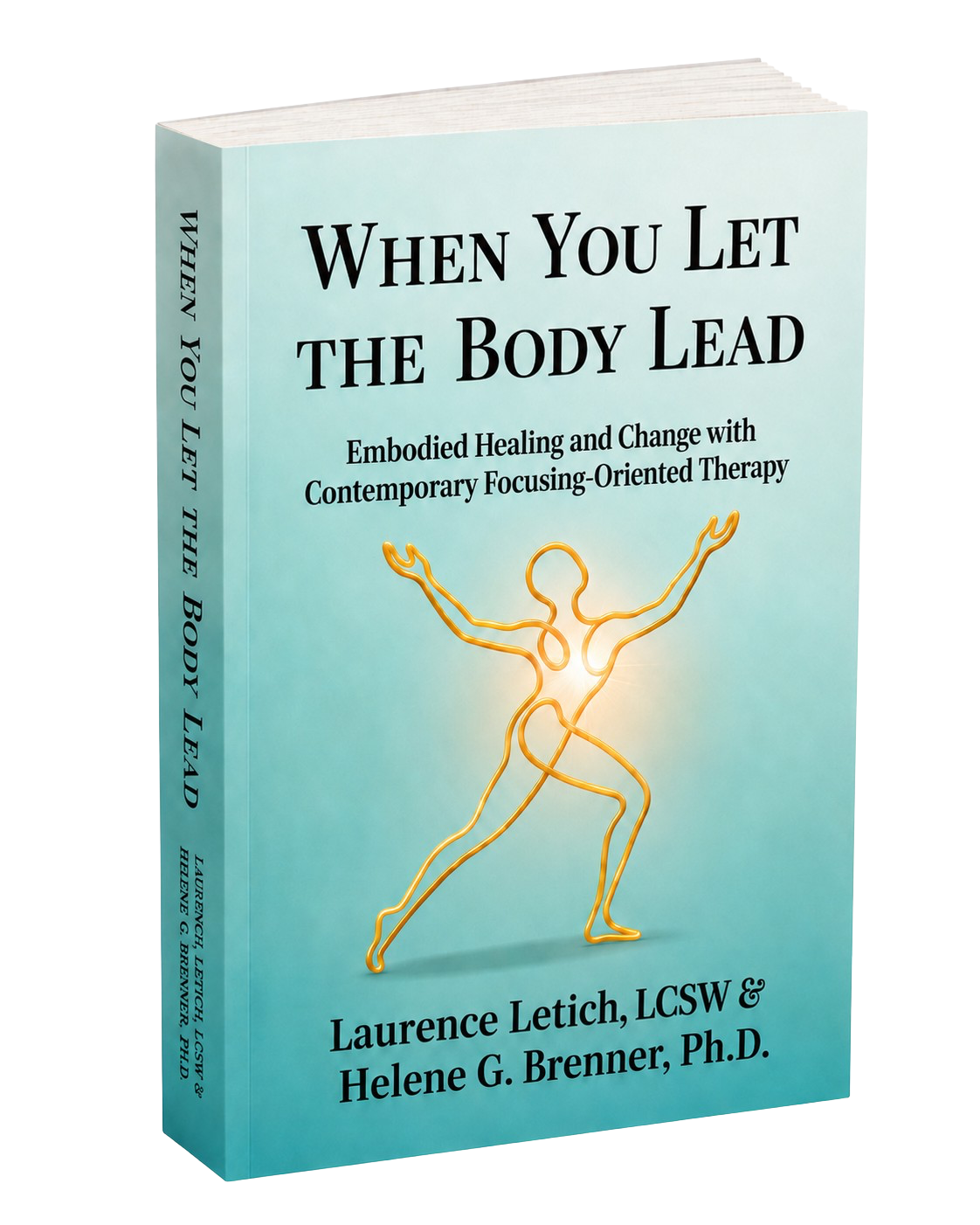
Focusing-oriented therapy can be especially helpful to you if:
- You’re struggling with feelings and behaviors that bother you
- You can’t get past some “block” you have
- You want a better way to deal with painful feelings
- You want to heal from past hurts and traumas
- You want to feel more in touch with yourself, less “in your head.”
- You are highly introspective, but want to go to a deeper level
FOT is not as helpful immediately if:
- You’re in the midst of a current life crisis. (The crisis needs to be dealt with first.)
- The issue bringing you to therapy is mostly interpersonal.
If this sounds like the work you’ve been looking for, tell me a little about yourself and why FOT interests you.