
Treating adult ADHD from the inside out
Inattentive Adult ADHD — An Underdiagnosed Problem
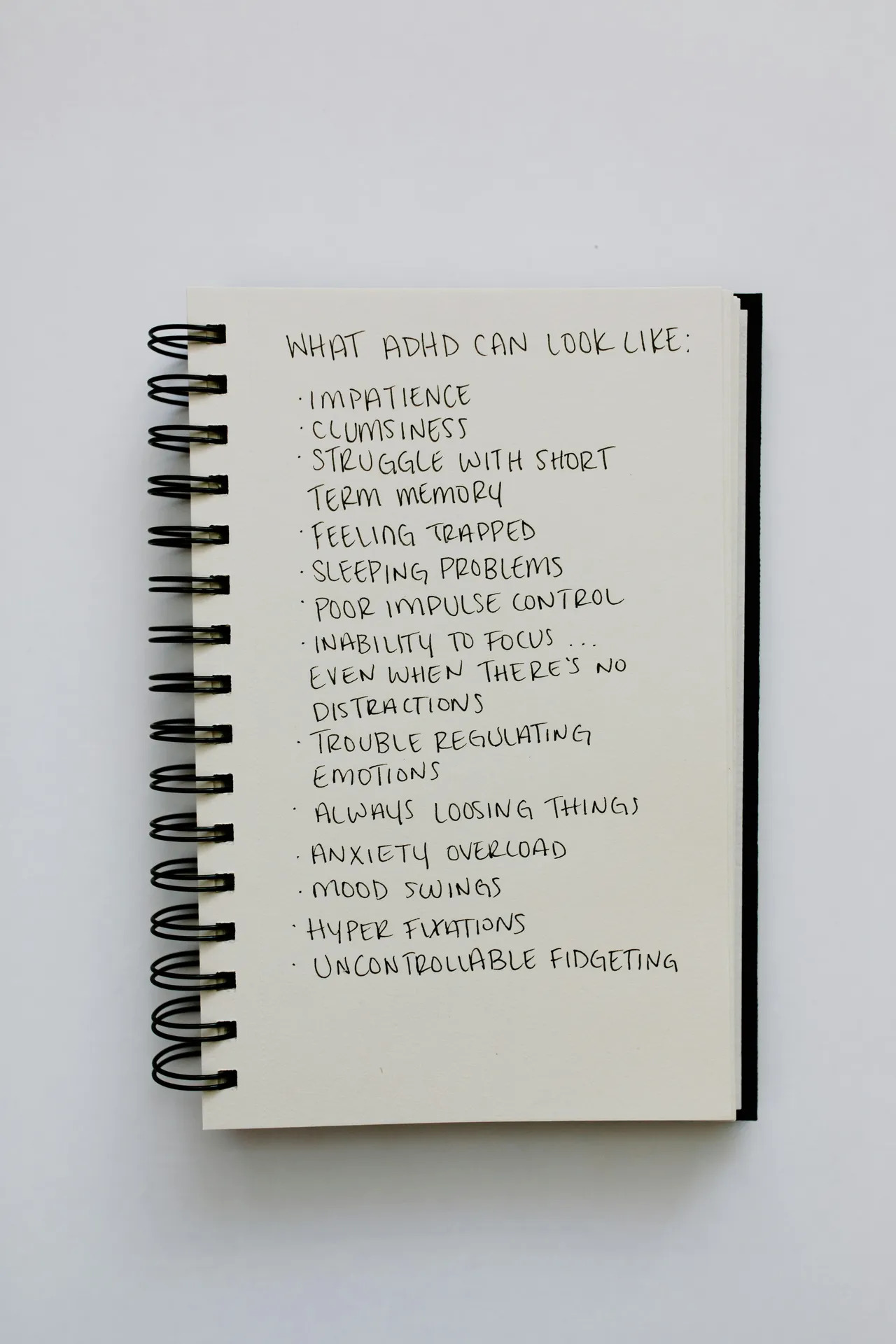
Inattentive ADHD often goes undiscovered. That doesn’t mean those who have it don’t struggle
If you’re like most people, you probably think a person with Adult ADHD, or Attention Deficit Hyperactivity Disorder, is someone who’s fidgety, kind of speedy, talks too much, very outgoing, takes too many risks and gets into all sorts of trouble.
Few people realize that describes only a portion of adults with ADHD. Despite the fact that hyperactivity is in the name, most adults who have ADHD aren’t hyperactive and may never have been — even as children.
There are in fact three subtypes of ADHD: Predominantly Hyperactive, Predominantly Inattentive, and Combined.
Predominantly Hyperactive is the one we’re all familiar with. People with the Combined type have aspects of both hyperactivity and inattention, and often show very few hyperactive symptoms as adults.
Finally there’s ADHD-Predominantly Inattentive, (also known as “ADHD-PI” or “Inattentive ADHD”) who may never have done anything more hyperactive than compulsive doodling.
Watch Larry Speak About: Understanding Inattentive ADHD in Adults
The Special Problems of Inattentive ADHD
In fact, those with Inattentive ADHD are still hyperactive. It’s just that all their hyperactivity is in their minds. They’re constantly being bombarded by thoughts and sensations from their inner world — and that gets pretty noisy. So noisy in fact, that it drowns out necessary information coming from the external environment.
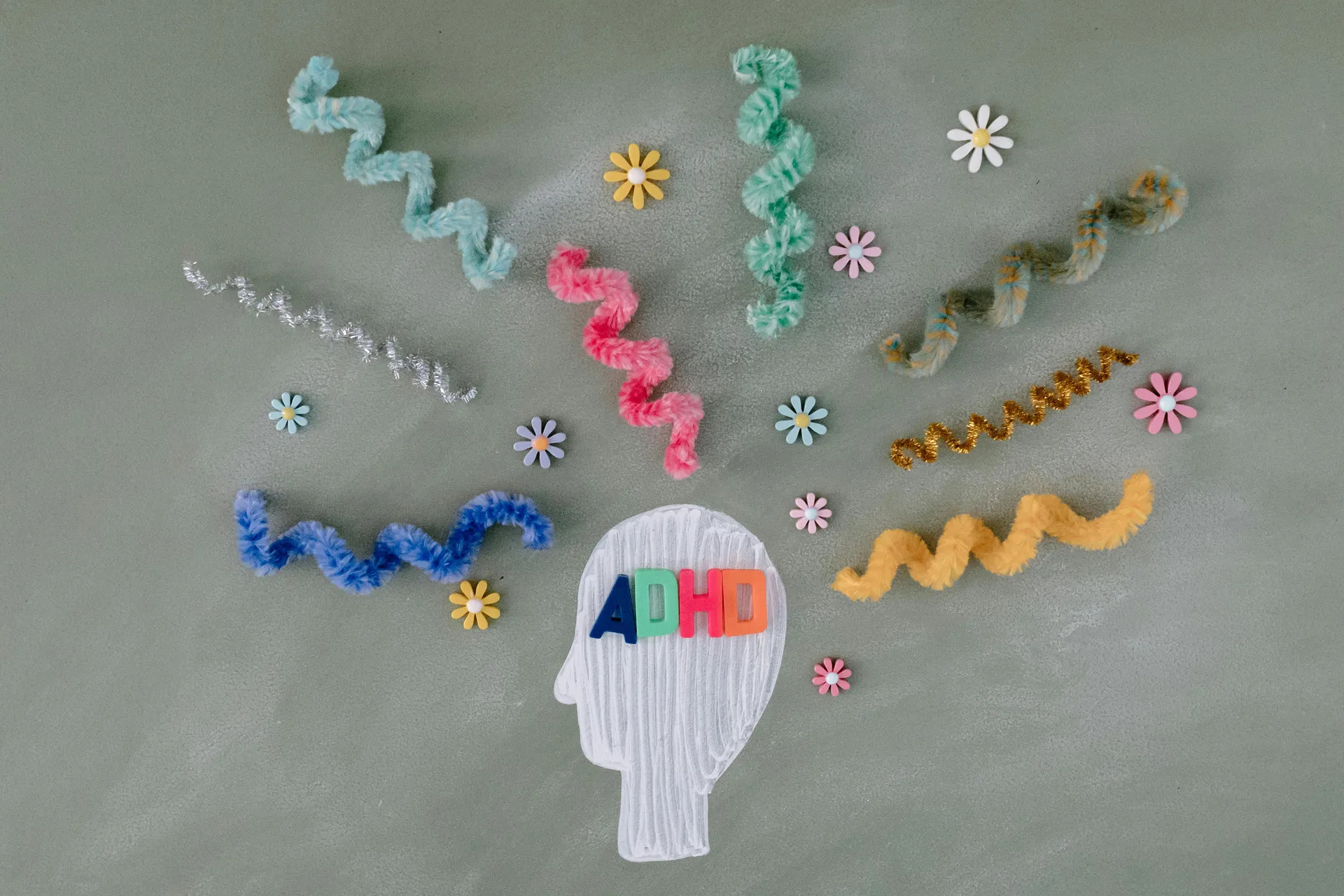
Growing up, people with Inattentive ADHD can be great at close, one-on-one relationships; being tuned into their own inner world so much, they often learn to be very good at tuning into other people’s inner worlds. But they don’t know how to relate in more goal-oriented and less personal settings. This of course can make the typical work environment a very painful place for them.
In some ways, it may be easier to be a person with Hyperactive ADHD than to have the Inattentive type. Hyperactivity and impulsivity often lead those who have those symptoms into serious trouble, especially when they’re young. But if they get harnessed to a goal, their energy level and lack of inhibition can help them succeed — even if they wreak havoc in the process.
But in Inattentives, all of their great ideas ricochet inside the pinball machine of their minds, unable to escape into the world of action. They can never begin, or take more than one or two steps, toward the goal they can imagine so vividly. As the years go by, they feel worse and worse about what they haven’t done.